Skip to content

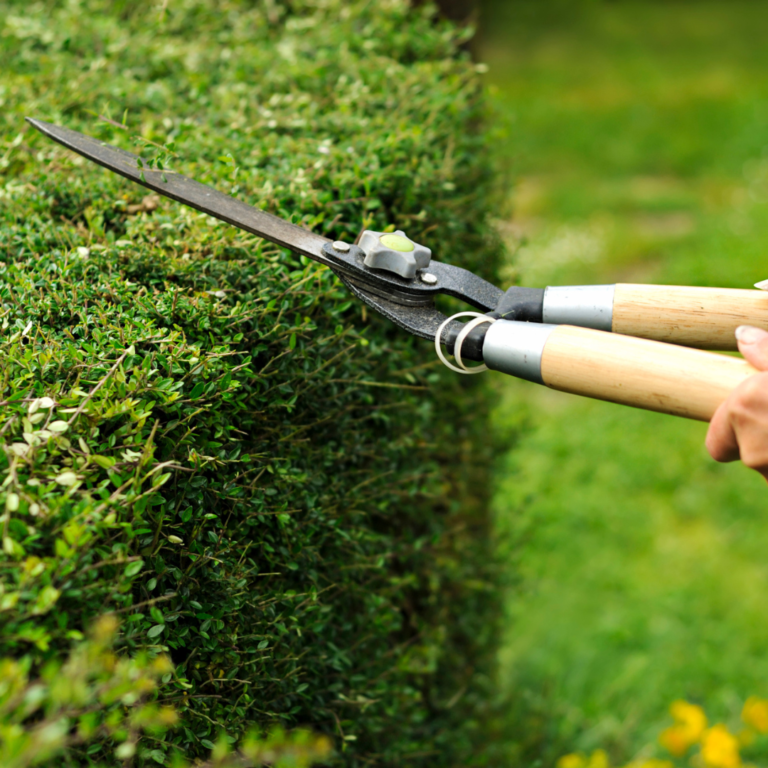
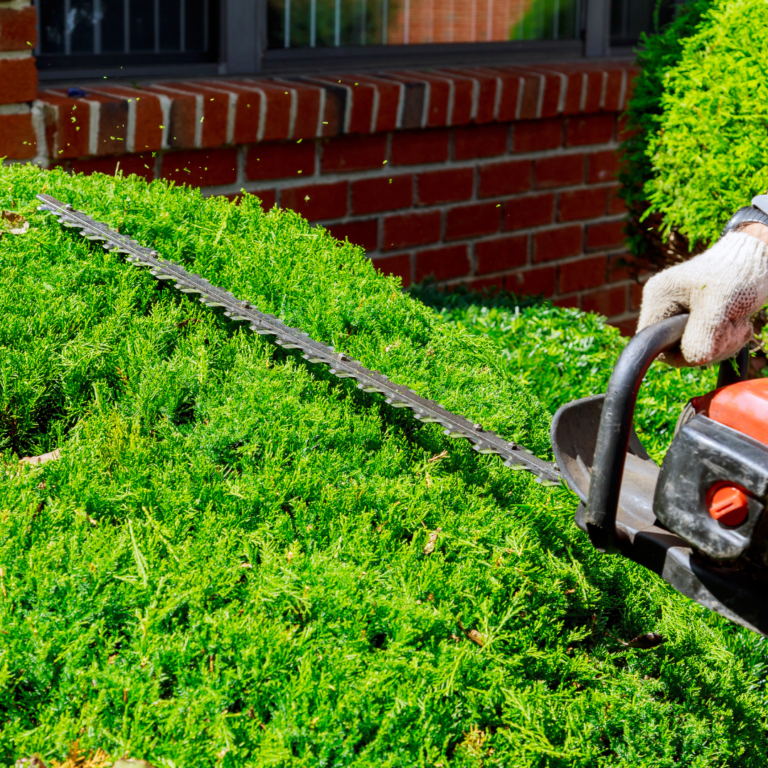
Hedge cutting in autumn can be a useful part of seasonal garden maintenance, particularly once vigorous summer growth has slowed. A well-timed trim can restore shape, clear encroaching branches and leave paths, driveways and garden boundaries looking tidier heading into winter.
However, autumn hedge care should be approached differently from heavy summer maintenance. Growth is slowing, weather conditions are changing and some hedges may respond poorly to aggressive cutting at the wrong time.
Pristine Gardens includes hedge trimming and shrub pruning within both regular maintenance programmes and seasonal garden tidy-ups.
Is Hedge Cutting in Autumn a Good Idea?
For many established hedges, a light autumn trim can help remove untidy late-season growth and maintain the desired outline.
It is particularly useful where branches have started to obstruct:
- Paths
- Driveways
- Gates
- Windows
- Garden seating
- Boundary lines
The aim should generally be to tidy and control rather than undertake severe pruning without considering the hedge species.
Autumn is also a useful time to assess how much a hedge has grown over the year and whether a more structured maintenance programme may be needed going forward.
Hedge Cutting in Autumn Requires Species Awareness
Not all hedges should be treated identically.
Evergreen, deciduous and flowering hedges can respond differently to seasonal pruning. Some species tolerate trimming readily, while others may be damaged if heavily cut into old wood.
Before carrying out substantial work, identify the hedge and understand how it regenerates.
A professional gardener can advise whether the hedge needs:
- A light trim
- Height reduction
- Width reduction
- Reshaping
- Selective pruning
- No cutting until another season
This is particularly important for mature hedges where incorrect pruning can leave visible bare areas for a long period.
Consider Weather Conditions Before Cutting
Autumn weather can change rapidly.
Avoid hedge cutting during periods of heavy rain, strong wind or early frost. Wet foliage can make handling more difficult, while unstable weather increases working risks when ladders or powered machinery are involved.
A dry, mild day is generally preferable.
Once temperatures begin falling significantly, avoid unnecessary cutting that encourages vulnerable fresh growth immediately before winter.
The later into autumn you go, the more conservative the work should usually become.
Combine Hedge Cutting in Autumn With Garden Clearance
One advantage of autumn hedge maintenance is that it can be combined with wider seasonal clearing.
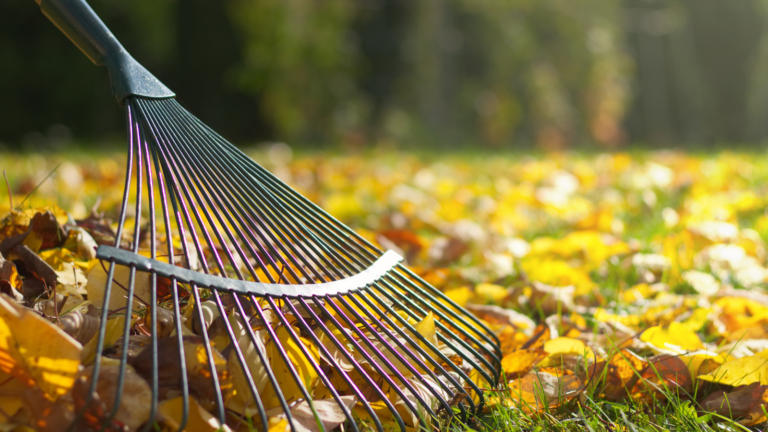
Fallen leaves, old summer growth and hedge clippings can accumulate quickly around beds and lawns.
Pristine Gardens’ tidy-up service includes hedge trimming, shrub pruning, weeding, lawn work and full removal of green waste and debris.
A complete autumn tidy may include:
- Hedge trimming
- Leaf clearance
- Border tidying
- Weed removal
- Lawn edging
- Shrub pruning
- Green-waste disposal
Completing these tasks together can leave the garden more manageable throughout winter.
Think About the Garden’s Appearance Through Autumn
Hedges remain one of the strongest structural elements in many gardens after summer flowers begin fading.
A tidy evergreen boundary can keep the garden looking organised even when other planting becomes less visually dominant.
That structure also matters when outdoor spaces are used as a backdrop. Services such as outdoor family photography often make use of natural seasonal settings, where autumn foliage, tidy hedging and well-maintained planting can contribute significantly to the overall appearance.
Maintaining structure does not require stripping the garden back completely. Autumn colour and natural texture can still be retained while preventing the space from becoming neglected.
Avoid Cutting Without Checking for Wildlife
Although the main bird-nesting season is associated with spring and summer, wildlife considerations remain important throughout the year.
Always inspect hedges before cutting.
Dense hedging can provide valuable shelter for birds, insects and small mammals, particularly as temperatures fall.
Where possible, avoid removing more habitat than necessary simply for cosmetic reasons.
Garden maintenance should balance appearance with the ecological value of established planting.
Prepare Hedges for Winter
After trimming, clear cut material from around the base.
This provides an opportunity to inspect for:
- Damaged branches
- Dead growth
- Signs of disease
- Weak stems
- Problems caused by nearby fencing
- Excessive weed growth
Autumn is also a useful time to review surrounding borders and improve general garden condition before winter weather arrives.
Pristine Gardens provides year-round maintenance, including plant management, borders, lawn care and hedge pruning, so autumn work can form part of a longer-term programme rather than a single isolated task.
Final Thoughts
Hedge cutting in autumn can help restore shape, improve access and prepare the garden for winter, but the work should be appropriate for the species, weather and condition of the hedge.
Light, considered trimming is often more beneficial than aggressive cutting late in the season. Combining hedge maintenance with leaf clearance and general garden tidying can also make winter maintenance significantly easier.
If your hedges or garden need professional autumn attention, contact Pristine Gardens today for hedge cutting, seasonal tidy-ups and ongoing garden maintenance across Kidderminster, Worcestershire and surrounding areas.